

















The Illuminating Journey of Star Lanterns: From Ancient Festivals to Modern Fall Décor

Have you ever walked into a space aglow with enchanting star lanterns and wondered where this radiant tradition began? I was recently styling a cozy autumn wedding, stringing paper star lanterns above the tables, when a guest asked me about their origin. That question lit a spark: these beautiful decorations aren’t just seasonal trends—they carry thousands of years of history, symbolism, and craftsmanship from cultures around the world.
If you’re a wedding planner, event designer, bride or groom, décor enthusiast, or simply a lover of ambiance, understanding the star lantern history adds depth to their beauty. In this post, I’ll take you on a captivating journey from their ancient festival roots in Asia to their starring role in today’s fall and holiday décor. You’ll discover why star lanterns have stood the test of time, how their meaning has evolved, and how you can incorporate this luminous tradition into your next celebration or cozy gathering.
Let’s explore a tradition where art, light, and celebration meet—and see why star lanterns are more than just a beautiful accent piece.
Origins of Star Lanterns: 2,000 Years of Festival Lantern Traditions
The history of star lanterns is as old as it is fascinating, tracing back over two millennia. Their story begins, perhaps surprisingly, not as simple decoration, but as practical devices.
Chinese Dynasties: Signaling & Spirituality
During China’s Han and Eastern Han Dynasties (circa 206 BC – 220 AD), lanterns first emerged as military signaling devices. However, their purpose expanded rapidly. Brightly lit lanterns began to illuminate public gatherings, evolving into cherished symbols of joy, unity, celebration, and spiritual connection.
- Symbolism: Lanterns became emblems of hope, guidance, and the illumination of darkness—both literal and metaphorical.
- Transformation: Over centuries, functional aids transformed into works of art, with intricate shapes, including stars, representing celestial blessings.
Lantern Festival History: The Birth of a Luminary Celebration
No talk of historical star lanterns is complete without honoring the grand Lantern Festival (Yuan Xiao Festival). Dating to the Han era, this festival marks the close of Lunar New Year on the 15th night, when families string lights and lanterns in dazzling displays.
- Celebrated with processions, riddles, and feasts—a true festival of luminosity!
- Serves as a time to symbolize familial unity, reconciliation, and peace.
- Honors ancestors and clarifies wishes for the year ahead.
- From China, the tradition spread to Taiwan and elsewhere in East Asia, adding new designs over centuries.
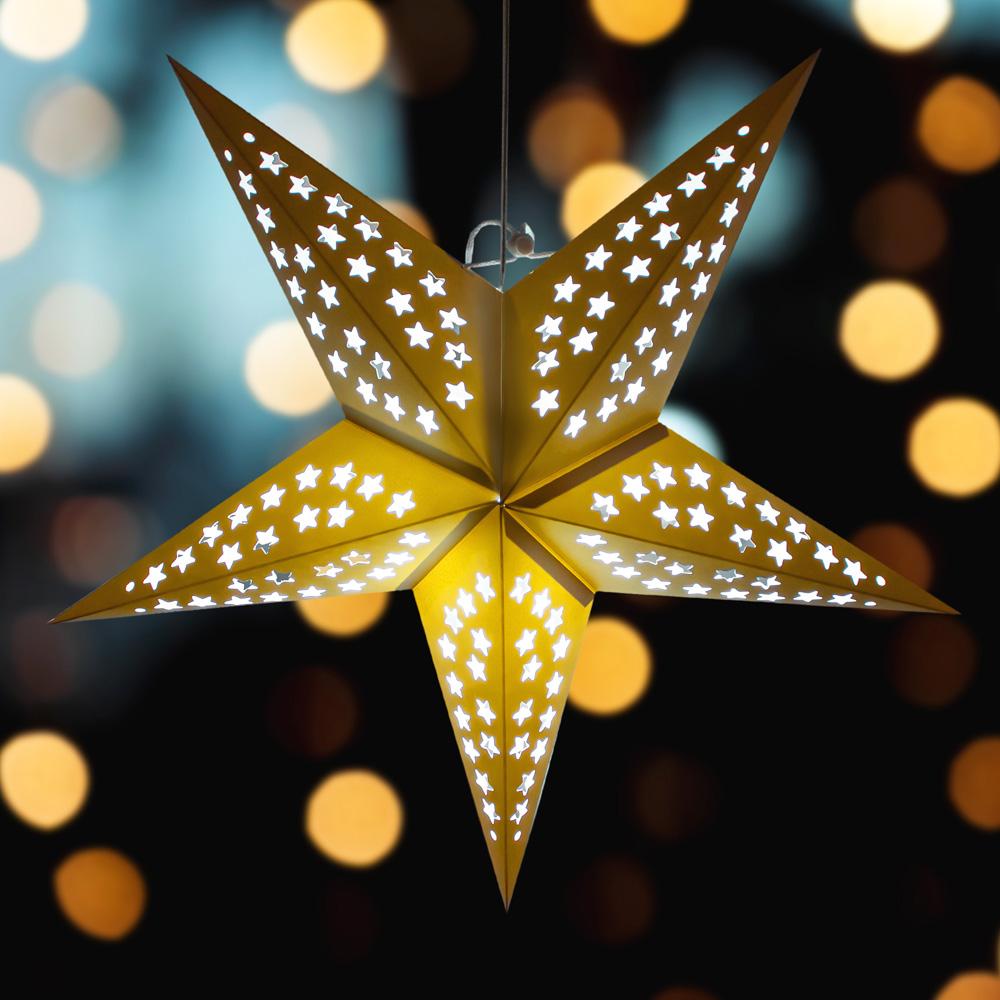
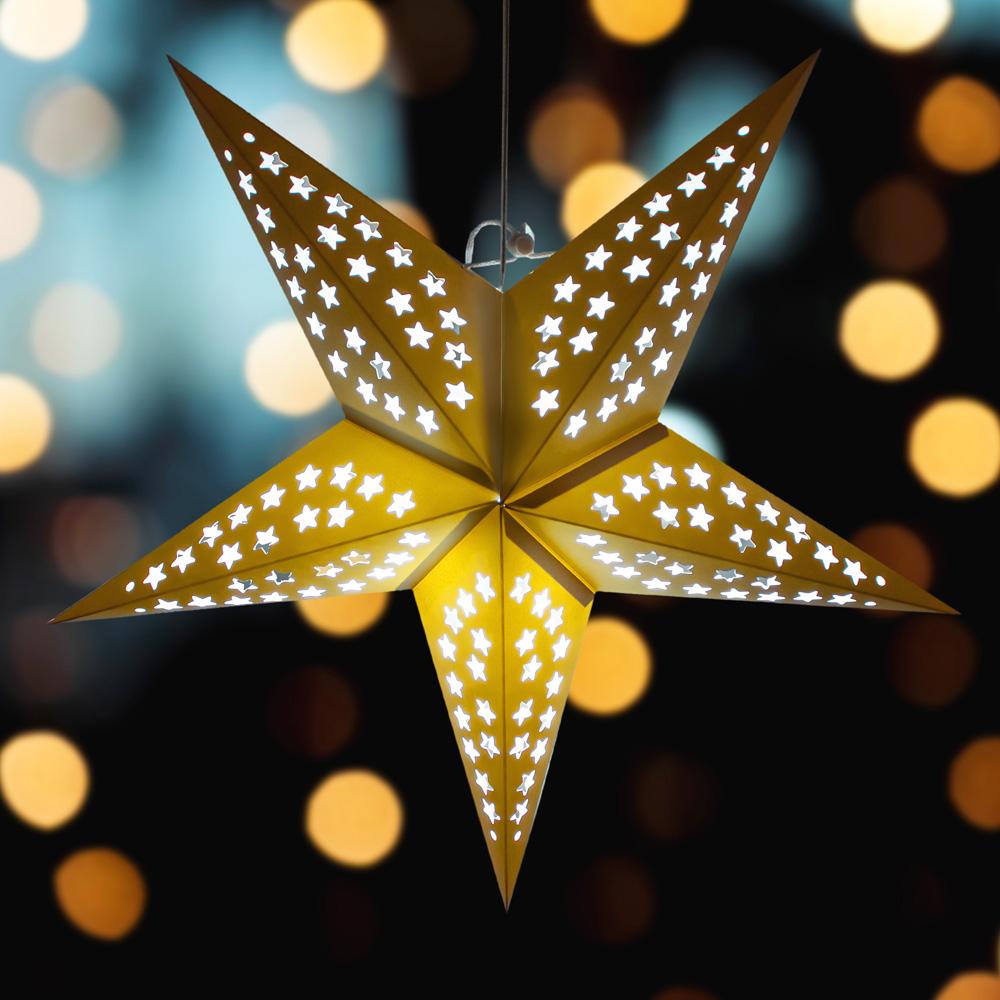
The star shape, with its radiant points, became a favorite motif—evoking the constellations thought to guide and protect.
Vietnamese Star Lantern Traditions: Sparkling Mid-Autumn Magic
Traveling south, we encounter one of the most beloved star lantern festival traditions in Vietnam. Every autumn, as Dragon Dances light up the streets for the Mid-Autumn Festival, children parade with dazzling đèn ông sao: the iconic Vietnamese star lanterns.

- Handcrafted tradition: Made from bamboo and colored cellophane or paper, each lantern is a testament to creativity and tradition.
- Cultural symbolism: The five-pointed star signifies light, guidance, good fortune, and continuity from one generation to the next.
- Family activity: Lantern-making is a favorite family pastime—connecting adults and children with their heritage.
Hoi An: The Lantern City
The city of Hoi An stands out for its unique lantern artistry, originating in the 16th–17th centuries. Strolling its old town during a festival is like walking through a living painting, with star-shaped and round lanterns marbled across streets and rivers. Today, these lights form a core part of both daily life and celebrations.
Paper Star Lantern Origins in India and Their Global Journey
Beyond East Asia, paper star lanterns also bloomed in India, where they are synonymous with Diwali, the festival of lights. Traditionally called kandil or akash kandil, these lanterns grace doorways to symbolize victory of light over darkness and the triumph of good.
- Design evolution: Designs range from simple cut-outs to elaborate multi-pointed forms, often with vibrant colors and intricate holes.
- Spread to Europe: In the 1990s, paper star lanterns captivated European festival-goers as stunning party and holiday decorations.
- Multi-faith roots: The star motif resonates in Christian Christmas (the parol in the Philippines, the Moravian star in Germany), and wider folk traditions. The unifying message? Light, hope, and gathering.
Modern Star Lantern Decor: From Festivals to Fall and Holiday Magic
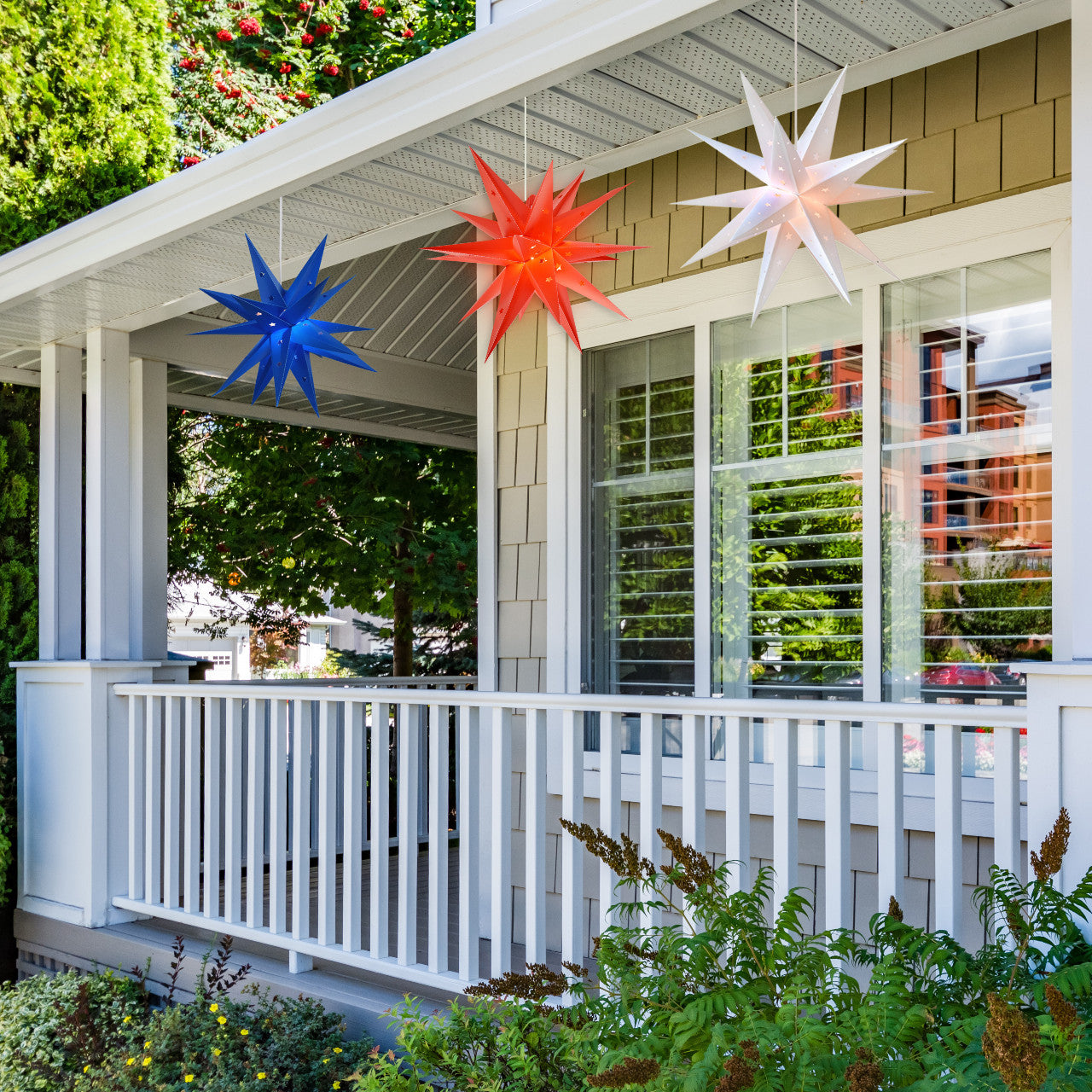
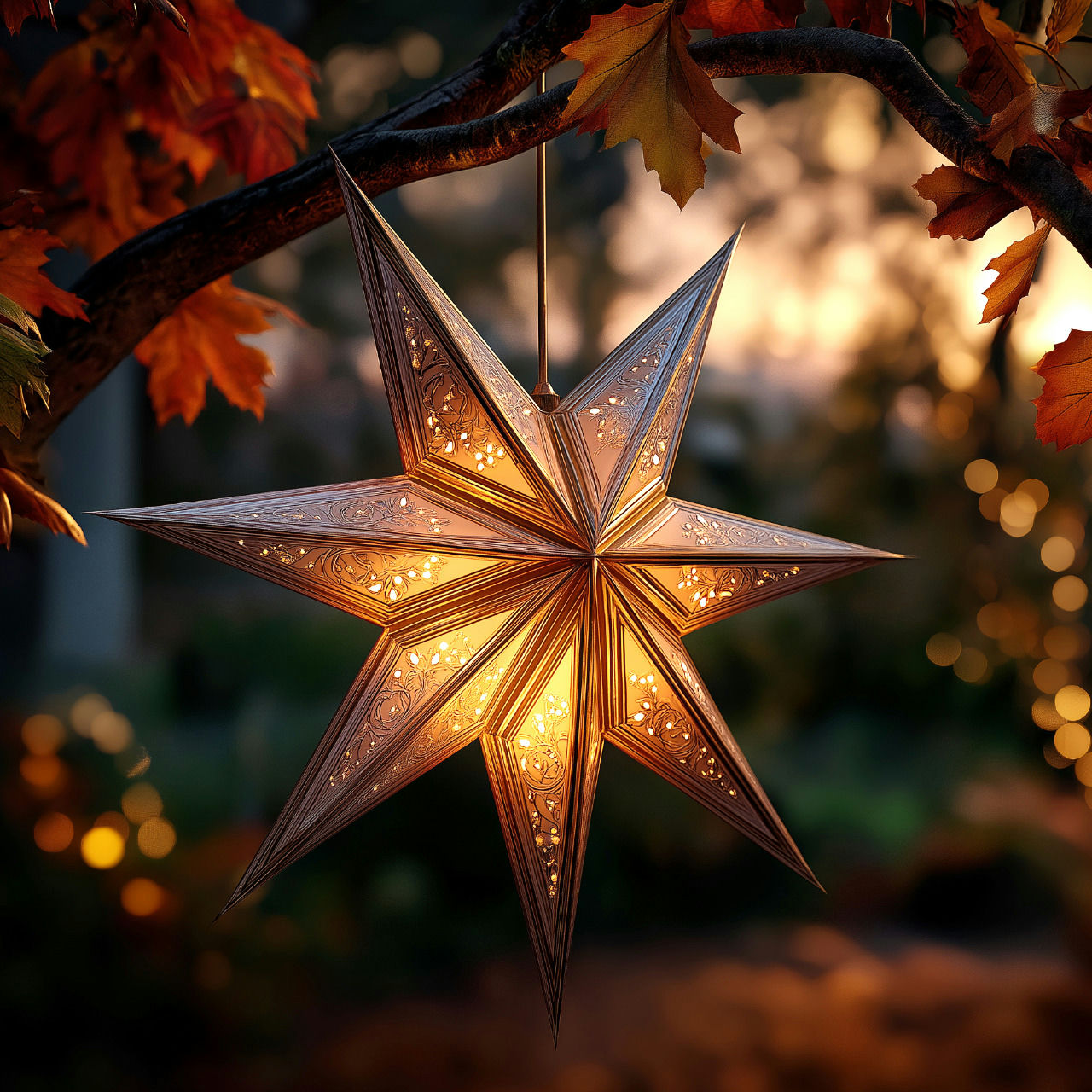
Today, star lanterns fall decor can be found brightening homes, weddings, parties, and venues across the world—no longer just for holidays or religious festivals. Their appeal?
- Unmatched visual impact—with sensational shadows and glowing points of light that instantly transform a space.