














5 Wedding Lighting Mistakes to Avoid (and How to Fix Them)
Have you ever stepped into a wedding venue and felt immediately enchanted by the warm, glowing ambiance—or, unfortunately, the opposite? I’ve learned over the years that wedding lighting mistakes can completely transform the mood (for better or worse!). The right illumination not only enhances your decor, but also creates the magic your guests will remember forever.
Sadly, I’ve seen far too many beautiful weddings overshadowed by common wedding lighting errors that could have been prevented with a bit of planning. Whether you’re a seasoned wedding planner, a DIY bride, or just someone who loves a stunning party atmosphere, these are the wedding lighting tips and solutions you need.
In this post, I’ll share the top five wedding lighting mistakes to avoid—and, more importantly, how to fix them. We’ll talk venue rules, highlight must-see areas (like that jaw-dropping cake!), ensure design cohesion, and cover safety essentials—so your lighting is flawless from “I do” to last dance.

1. Not Checking Venue Lighting Restrictions
One of the biggest wedding lighting mistakes I see is assuming you can bring in any lights, rig up anything you want, or hang hundreds of paper lanterns in the rafters. Always, always check the fine print of your venue contract before planning your dream setup!
- Some venues only allow their approved vendors—and non-approved ones might be turned away, even at the last minute.
- Battery-operated or plug-in restrictions can impact which types of event lighting or nylon lanterns you can use.
- Historical venues often prohibit ceiling hooks, nails, or open flames.
How to Fix It
- Review your contract for lighting rules and ask the venue coordinator specific questions (like “Can I use string lights outdoors?”).
- Ask for approved vendor lists and required installation windows.
- Secure written permission for special requests.
2. Insufficient or Misplaced Lighting for Key Areas
The best wedding lighting planning highlights not just the dance floor and tables but also those special, emotional moments—your entrance, the cake cutting, and the guest book. It breaks my heart to see a show-stopping cake fade into the background, or guests tripping over a too-dark entrance!
- Reception entrances, guestbook tables, signage, and, of course, the cake can all be lost in the shadows after sunset.
- Outdoor weddings need precise pathway lighting to avoid safety issues.
How to Fix It
- Walk the venue at the same time as your event (ideally during your rehearsal) to spot dark spots or bland corners.
- Use targeted pin spots or spotlights for the cake and other focal points (find them here).
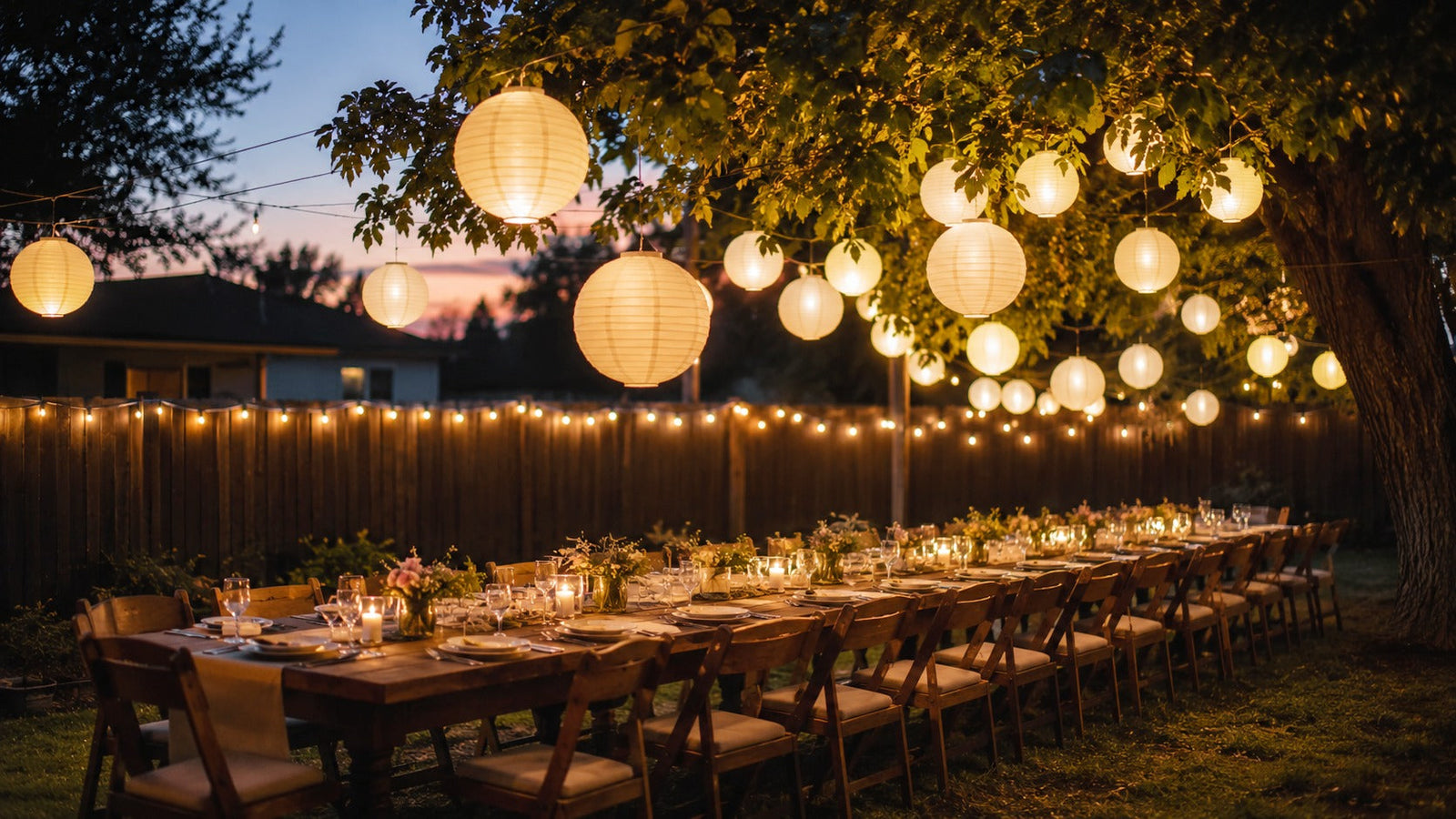
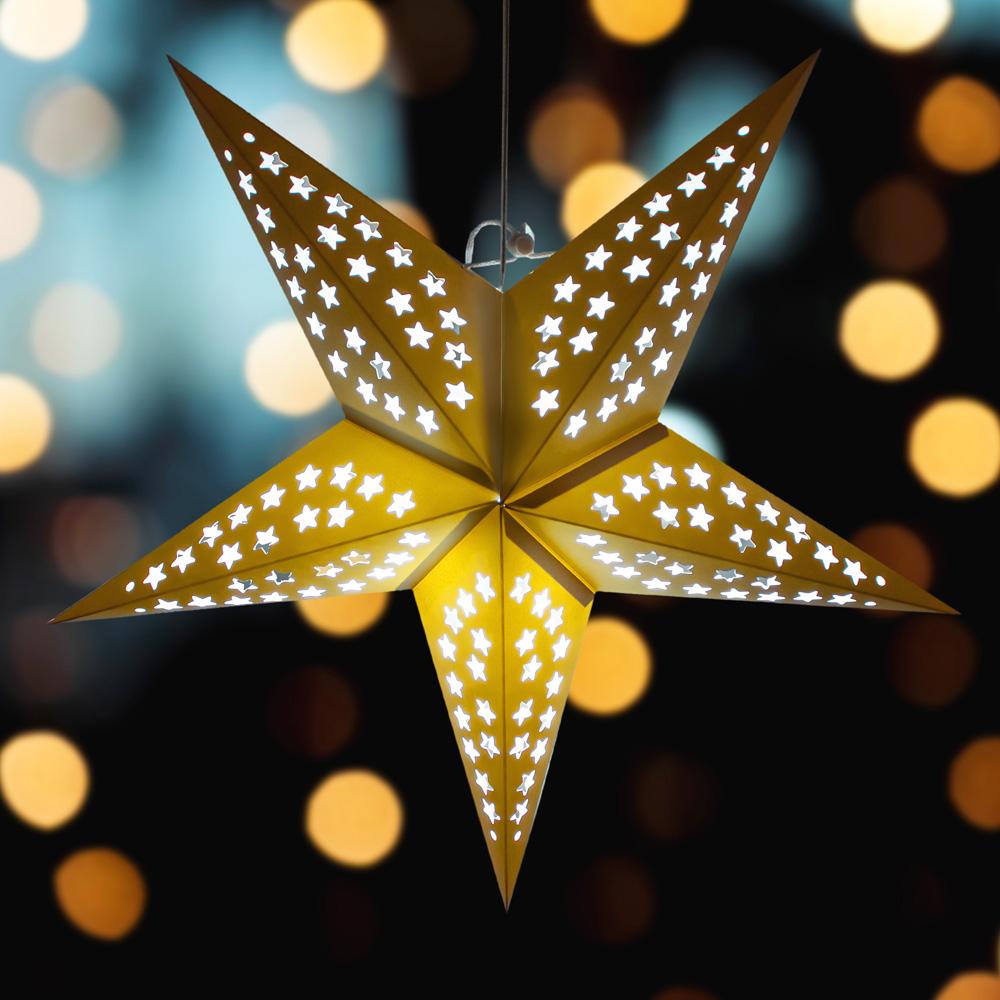
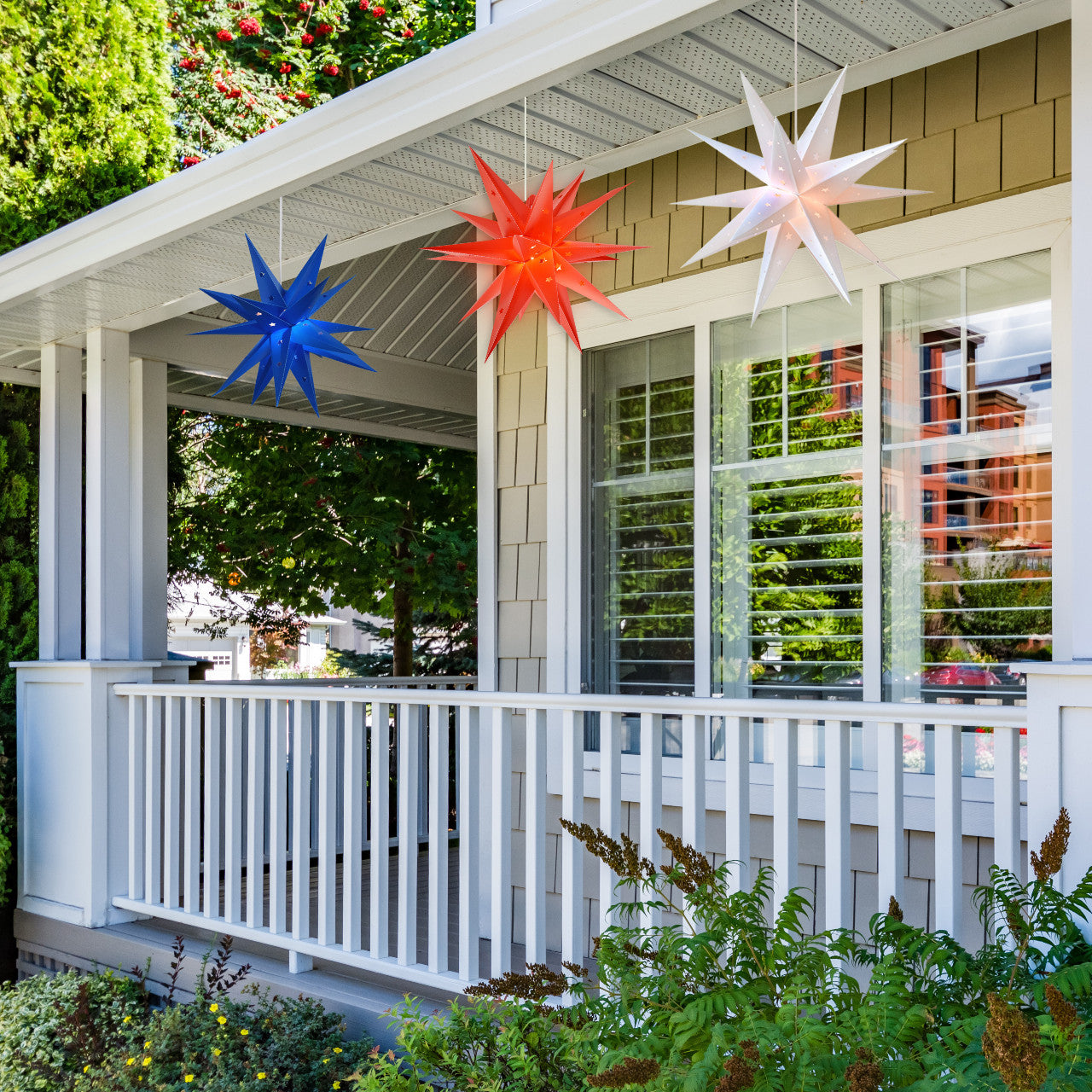
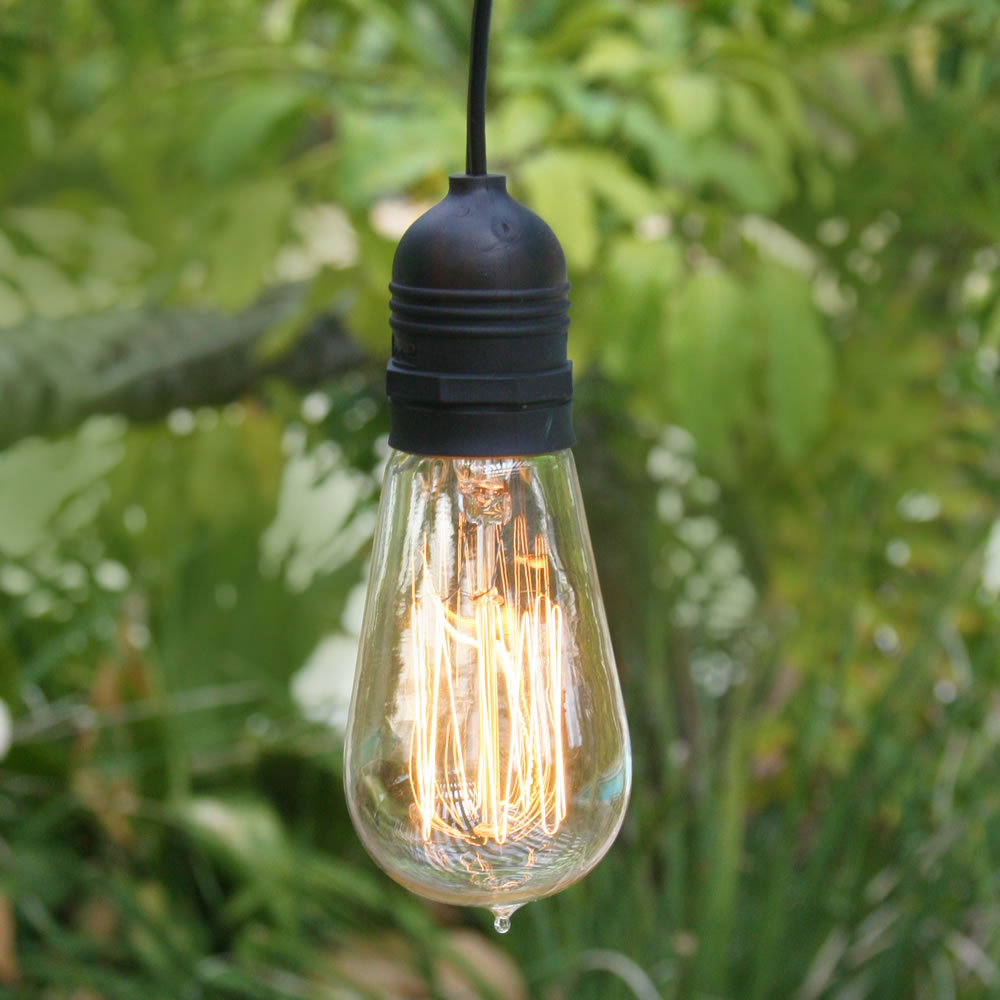
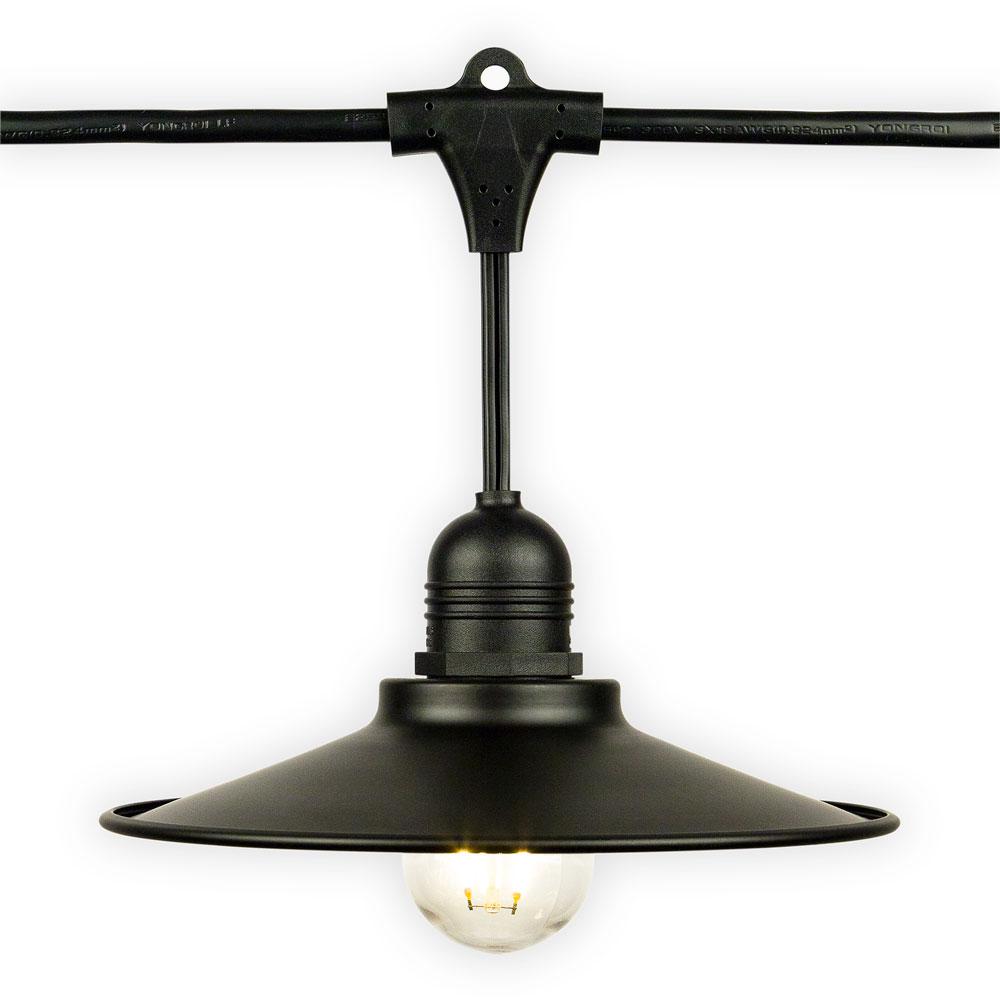
- Guide guest movement with uplights, aisle lanterns, or festoon string lighting—nylon lanterns work beautifully for both style and function!

3. Poor Lighting Design Cohesion
Here’s a trick for avoiding wedding lighting design problems: Cohesive lighting ties your entire look together. When lighting colors, temperatures, or styles clash with the décor, the whole event feels disjointed—think stark overhead purple LEDs conflicting with warm candlelight, or shiny metallic paper lanterns fighting with fairy-tale florals.
- Mixing too many lighting colors or styles makes the space feel chaotic, never magical.
- Lights that are too bright or too dim (especially at dinner) can make guests uncomfortable.
How to Fix It
- Start with your overall wedding design—what’s your vibe? Romantic and whimsical? Modern glam? Rustic boho? Match your lighting to these moods.
- Use matching or complementary tones for all ambient lighting (like pairing warm trail lights with soft white nylon lanterns).
- Work with a designer or lighting supplier to “layer” lights: ambient, accent, and task lighting.
4. Underestimating Lighting Quantity or Overdoing Effects
Planning best wedding lighting solutions is all about balance! Too little light? Guests squint all night and all your beautiful floral installations are lost. Overdo it with LEDs, disco balls, or mismatched spotlights? The party feels like a nightclub, not a wedding.
- Minimal, flat lighting makes photos look dull.
- Overcrowding with effects or too many competing lights kills the elegance.
How to Fix It
- Layer your lighting: start with ambient base layers, add accent paper lanterns or string lights, and use one or two effect lights for drama (never all at once).
- Prioritize important areas: head table, cake, dance floor, and let accent lighting add sparkle in corners.
- Communicate your vision clearly to your rental company—send reference photos or inspiration boards.
If you’re unsure how much light is too much, request a lighting test or “demo night” from your supplier—you’ll be amazed what a difference dialing up or dimming down can make!
5. Neglecting Professional Installation and Safety
When it comes to wedding lighting dos and don’ts, safety is always #1. DIY lighting is tempting, but I’ve seen too many extension cords running across dance floors, overloading outlets, and even (gulp) string lights falling during the first dance. Nothing kills the vibe like an emergency!
- Improperly secured fixtures, loose cabling, or open flames can ruin the day (and put your guests at risk).
- Bargain or non-professional installers may skip crucial safety checks or forget approvals.
How to Fix It
- Always hire a professional installer, even if you use DIY elements (like nylon lanterns or string lights); they’ll ensure codes and safety are respected.
- Schedule a thorough test or rehearsal (ideally after setup but before guests arrive).
- Ask about surge protection, fire safety, and trip-proofing—all the things only a pro thinks of!